|
|||||
 |
|||||
|
TODAY'S BIG |
|||||
|
WHO GETS A |
|||||
|
Monday, October 4, 2021 |
|||||
|
In today’s newsletter , Nobel season |
|||||
|
|||||
|
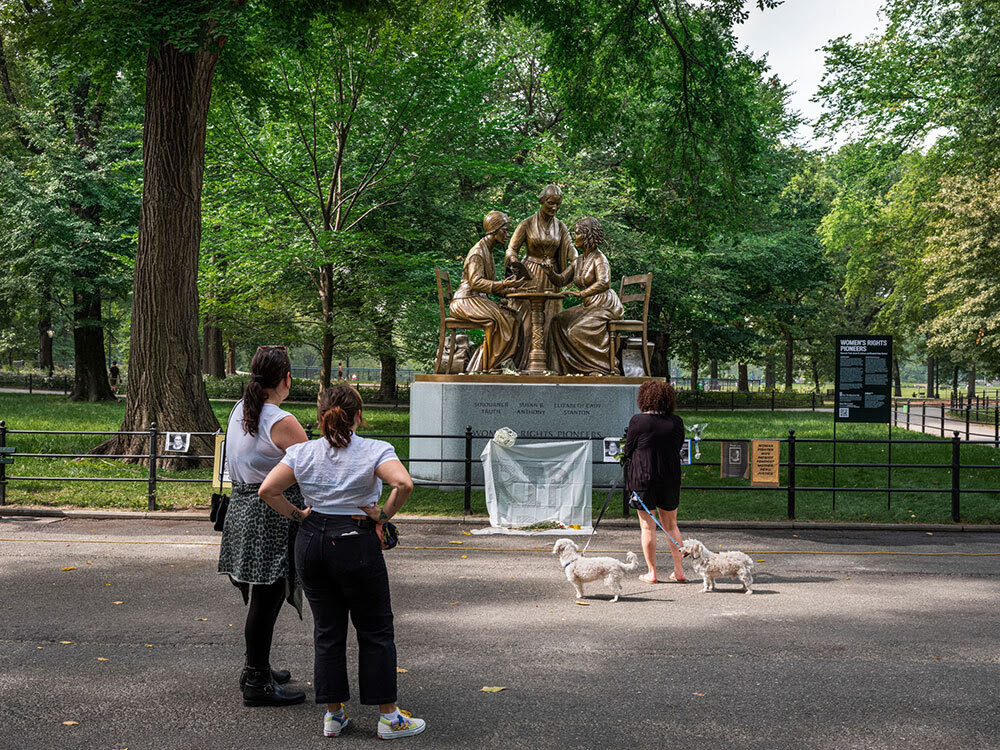
Last year, a statue commemorating suffragists Sojourner Truth, Susan B. Anthony, and Elizabeth Cady Stanton, was unveiled in Central Park, 100 years after women got the right to vote. The Women's Rights Pioneers Monument (pictured above) was the first in the park based on an actual woman, and not a mermaid or ancient goddess. We already knew that women and people of color are underrepresented in public monuments. But did we know there are only three women represented among the 50 most common memorial statues—and only five are Black or Indigenous? |
|||||
|
The Philadelphia-based Monument Lab surveyed nearly 50,000 monuments in the first comprehensive U.S. study. It’s part of an effort by the Andrew W. Mellon Foundation to assess and redirect who is commemorated in public spaces and how history gets remembered. |
|||||
|
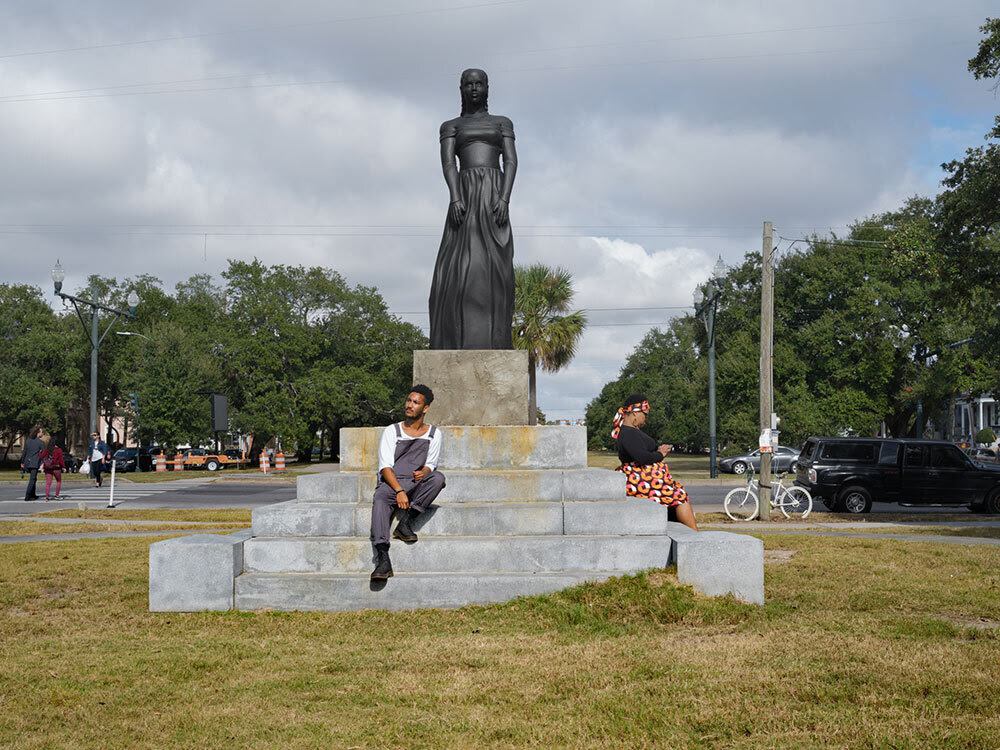
The report comes at a pivotal moment in the national reckoning about symbols of power in the American landscape. During the social unrest of 2020, dozens of monuments were toppled. Yet, the monument audit confirmed that 99.4 percent of American monuments remain securely on their plinths, Andrew Lawler writes for Nat Geo. (Below, a temporary monument to a Black woman in New Orleans where a memorial to Jefferson Davis once stood.) |
|||||
|
|||||
|
The survey “is a testament to the power of continual learning,” writes Mellon foundation president Elizabeth Alexander. “Our commemorative landscape needs to change if we are to move towards a more just and equitable future.” |
|||||
|
One thing the study showed: Monuments have never been static. Hundreds have been moved, altered, or taken down for reasons such as community repugnance or road construction. That finding will guide the $250 million Mellon Foundation initiative, designed to ensure future generations inherit a landscape “that venerates and reflects the vast, rich complexity of the American story.” |
|||||
|
These monuments, Alexander says, “have not stood there for time immemorial. … We know this now. We cannot unknow it.” |
|||||
|
Do you get this newsletter daily? If not, sign up here or forward this to a friend. |
|||||
TODAY IN A MINUTE |
|||||
|
Nobel season: The Nobel Prize for Physiology or Medicine was awarded jointly to David Julius and Ardem Patapoutian for their discoveries of receptors in human skin and internal organs that control our sensations of temperature and touch. The knowledge is being used to develop treatments for chronic pain and other disease conditions, the New York Times reports. |
|||||
|
Justice: Nearly a century ago, white leaders of a California city took prime beachfront land from a Black family that had opened the West Coast’s first resort for Black people. Last week, California enacted a law that allows ownership of the Manhattan Beach property to be transferred back to the Bruce family. “There are other families waiting for this very day, to have their land returned to them,” descendant Patricia Bruce told AP’s Stefanie Dazio. |
|||||
|
700,000: The United States passed that sad landmark of reported COVID-19 deaths late last week. Nat Geo’s Amy McKeever writes the toll has been disproportionately felt among Hispanic, Black, and Indigenous communities and in rural areas—highlighting vast inequities in the health system. |
|||||
|
There’s gold in those walls: Stonemasons renovating a French mansion found 239 rare gold coins inside its walls. Last week, most of the coins were auctioned for $1.2 million, the Guardian reports. |
|||||
PHOTO OF THE DAY |
|||||
|
|||||
|
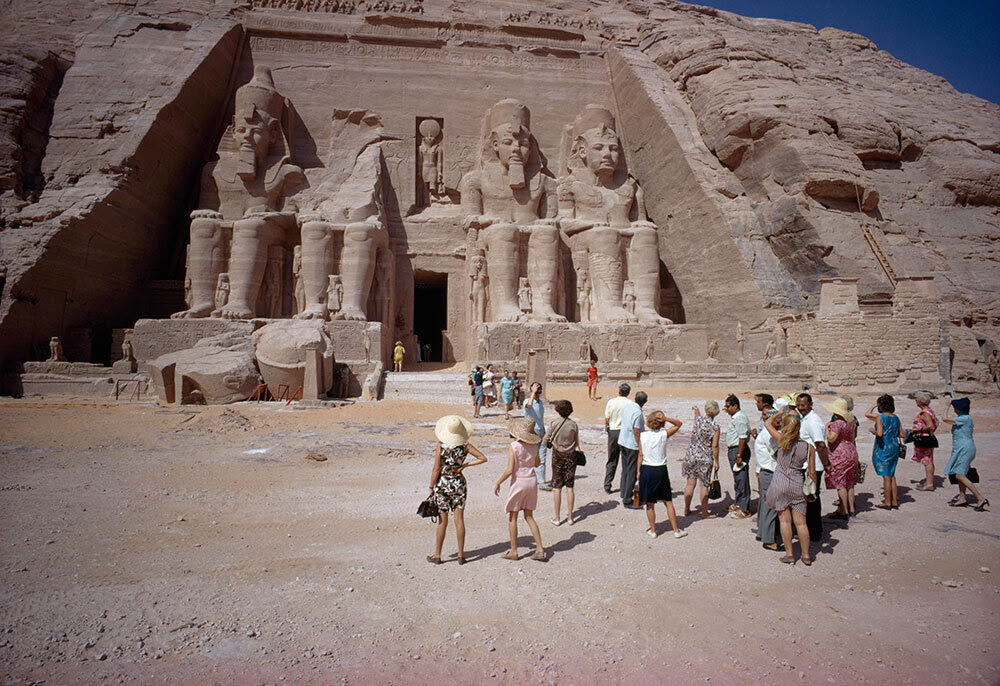
Temple tourists: In this picture from the May 1969 issue, tourists marvel at the reconstructed Temple of Ramses II in Abu Simbel, Egypt. The temple had been relocated the year prior to prevent destruction by rising waters after construction of the Aswan High Dam. The image was recently featured on our popular Photo of the Day. |
|||||
| SEE VINTAGE PHOTOS | |||||
 |
|||||
LAST GLIMPSE |
|||||
|
|||||
|
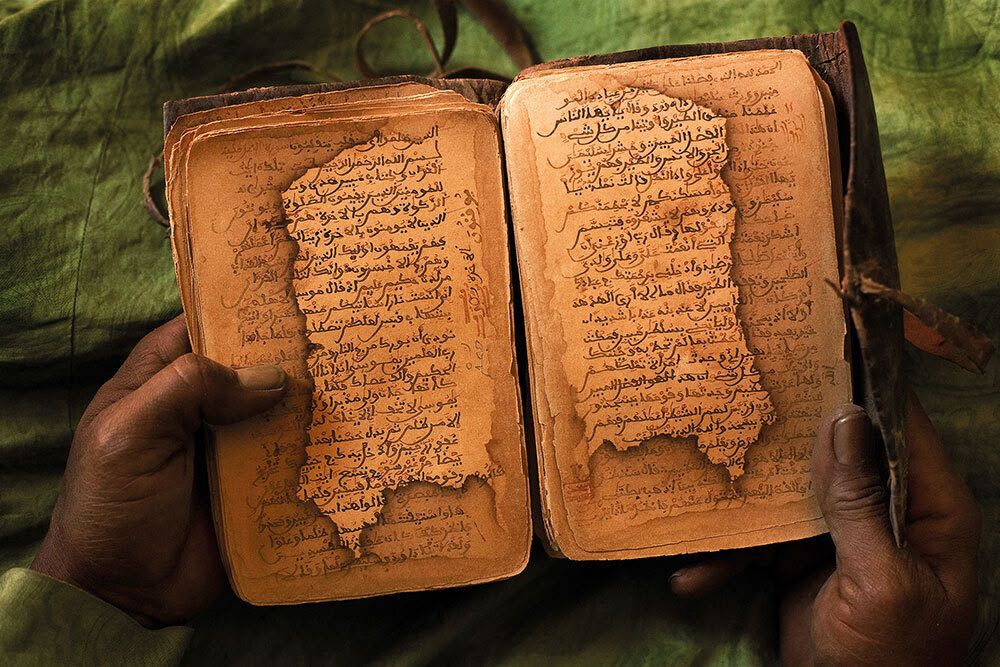
The libraries of Timbuktu: This African treasure city's true wealth lies in its books. The golden city of Timbuktu grew from a nomads’ camp into a cosmopolitan center of wisdom and learning, enriched by a robust trade empire. Nat Geo’s History magazine portrays the dramatic effort to preserve the books through the centuries. (In the image above, bibliophile Ahmad Bul Araf cradles the pages of a Muslim medical manuscript from the 16th century.) |
|||||
| SEE VINTAGE PHOTOS | |||||
|
Today's newsletter was curated and edited by David Beard, Jen Tse, and Monica Williams. Have an idea or link to a story you think is right down our alley? Please let us know at david.beard@natgeo.com. Happy trails! |
|||||
PREVIOUSLY ON NAT GEO DAILY ... |
|||||
|
|||||
 |
|||||
|
|||||
|
|||||
|
|||||
|